Pacai family palace in Vilnius
History

Between the GDL and Florence: the Pac family and the Pazzi family

After the Deluge that devastated the Grand Duchy of Lithuania in the middle of the 17th century, a family appeared along the Radvila and Sapieha clans at the top of the government that had a nice short name that you will soon find out that had Roman origins. The family came from the town of Rozhanka in the environs of Grodno. […]

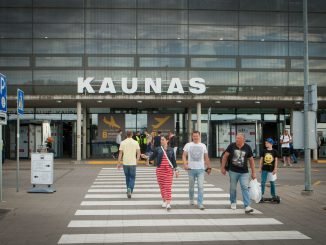
Kaunas Airport
Society

Worst times of emigration from Lithuania already passed – Swedbank analyst

The pace of emigration from Lithuania should start declining this year, with the number of returning Lithuanians and arriving foreigners should remain stable, says Swedbank analyst Nerijus Mačiulis, adding that the net emigration should hit the lowest level since 2000. […]

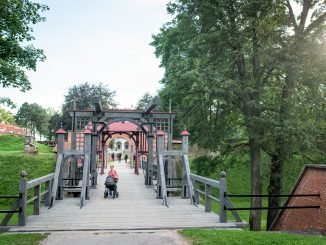
Biržai castle
History

Self-rule in GDL Biržai

Between the beginning of the 16th century and the middle of the 17th century, there were about 800 functioning towns and cities in the GDL that had the traits of city-like settlements, however only a small number of them had rights to self-rule. During the following 400 years after the establishment of the first self-governing city, Vilnius, in 1387, up until 1795, it is estimated that there were approximately 250 self-ruling cities that had the kind of Magdeburg rights generally given in the GDL. The Magdeburg rights were the primary legal act that set a city apart from other settlements that did not have privileges issued to them. One of these cities was Biržai, which during the existence of the GDL belonged to the Radvila family, who were the dukes of Biržai and Dubingai and one of the most powerful noble families in the GDL. It was their private city. […]

Ramūnas Karbauskis
Politics

Ruling Farmers’ party leader says LRT probe needed because of ‘mess’ in its documents

Ramūnas Karbauskis, chairman of the ruling Lithuanian Farmers and Greens Union (LFGU), says that a parliamentary scrutiny of the finances of the Lithuanian Radio and Television (LRT) is “necessary and inevitable” because of the “chaotic” way in which the public broadcaster provided its answers to lawmakers’ inquiries. […]