
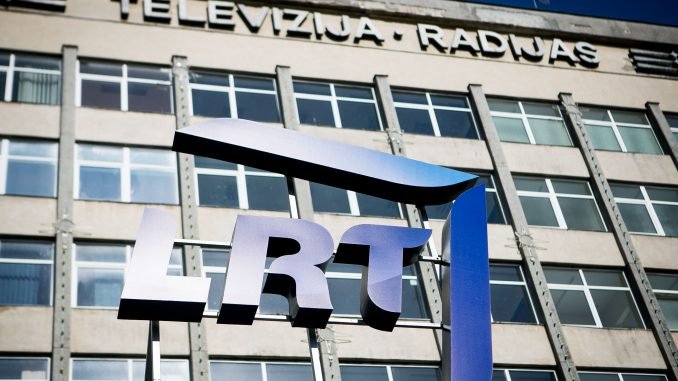
After meeting with Seimas Chairman Juozas Olekas and parliamentary faction leaders, President Gitanas Nausėda announced that a solution had been found on how to proceed with the amendments to the LRT law. He criticised the ruling party for rushing the bill through and received a promise to pause and begin regular discussions, Agnė Černiauskaitė states in lrytas.
“Today, we met with the leaders of the parliamentary groups. I welcomed them with one goal in mind: to pause, assess the situation we are in, and make very responsible decisions about what we will do in the future.
Today, there is too much anger and too much resentment in Lithuania. I understand that we are all partly to blame for this. Still, to move forward and make decisions, no decisions can be made by shouting, getting angry, or taking actions that make decision-making impossible,” said Nausėda.
According to the president, the conversation with the Seimas speaker and the leaders of the parliamentary groups was “friendly,” marked by respect and a willingness to listen to one another.
“Everyone—both representatives of the ruling coalition and leaders of opposition factions—agreed that the situation is not normal and needs to be corrected,” said Nausėda.
The president outlined the chronology of events that led to the chaos surrounding the changes at LRT: an audit was conducted, the results of which “provided a series of comments to LRT as an organisation.” Based on these conclusions, the Seimas initiated a law that caused a tremendous public outcry.”
“I think we have found a solution. First of all, we must willingly acknowledge that such serious changes to the law should not be made in a hurry. Haste means only one thing: there is no willingness to listen to other opinions, no willingness to listen to recommendations, and that the amendments (Lrytas) are being pushed through with a bulldozer. So, on the one hand, there will be no bulldozing from our side, as we have been promised, and on the other hand, there will be no filibustering from the opposition,” the country’s leader assured.
Nausėda emphasised that the most important thing for him is that the amendments to the law comply with “all the principles of free media and meet the criteria of accountability, transparency, and independence of LRT as a public broadcaster.”
“The most important thing is that this natural process of deliberation in the Seimas does not lead to even more mistrust and confrontation. We are all interested in ensuring that the discussion and dialogue are constructive. I think we have succeeded in doing that today and have made a good start,” the president said.
Would Nausėda see a need to depoliticise the LRT Council?
“The very principle of its formation (the LRT Council, – Lrytas) reflects the delegation of different institutions that nominate their candidates. Of course, this is not a question that can be discussed; that is taboo. Not at all. I think it can also be included in the discussion at this or a later stage. It is entirely possible. I just imagine that the candidates appointed are independent personalities with their own views and vision, and they certainly do not run around asking the person or institution that delegated them what to do in one case or another. If you are appealing to me, I have never expressed such discussions or calls for someone to do something,” he emphasised.
Olekas: We will involve everyone in the discussion
The Speaker of the Seimas, Social Democrat Olekas, announced that, at the meeting, it was decided to prepare an improved draft amendment to the LRT law and to involve all interested parties in the discussions. This includes journalists themselves.
“Today’s meeting is a grave step forward. We agreed that there is no longer any urgency. Urgency means that the law can be passed within 24 hours.
We have time until around February, when we can continue to discuss the position, the opposition, experts (today I will also meet with representatives of some of the protesters), to prepare a new version that would improve the current proposals and would not cause such opposition, heated debate from the opposition, and public outcry.
I believe that in February we will have a standard version that we will be able to adopt in the Seimas,” said Olekas.
The speaker of the Seimas did not specifically answer whether this would require convening an extraordinary session in February.

Be the first to comment