
No Picture
History

The lives of fallen GDL noblemen

The noble estate enjoyed the most important position in the social hierarchy of the Grand Duchy of Lithuania. The nobility, however, was far from homogenous. It consisted of aristocrats, (the magnates), as well as of middling and petty nobles who owned little or no land at all respectively. The importance and financial might of noble families and even particular individuals was constantly fluctuating. Many families went through a process of ascent and subsequent slide down or even oblivion. A considerable number of the noblemen were utterly poor. They sometimes could hardly afford their daily meals yet they still enjoyed all the privileges of the estate. Some of them – mostly vagabonds – would eventually cross the line and lose their symbols of the nobility. They would live on accidental income, sometimes illegal, and would very often end up in prisons or on the scaffold. Surviving interrogation documents reveal the paths that led them into the world of crime. What kind of life was it? […]

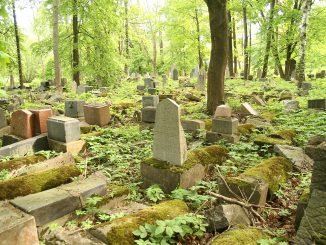
Old Jewish cemetery in Kaunas
Society

Lithuanian municipalities pay attention to Jewish cemeteries – daily

Heritage officials and members of Lithuania’s Jewish community note that an increasing number of municipalities are taking the initiative to clean and maintain uncared-for Jewish cemeteries and memorial sites, the daily Lietuvos Žinios reported on Thursday. […]

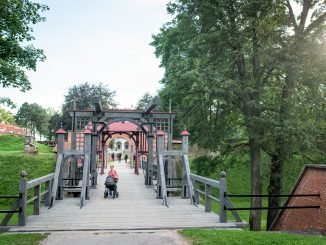
Biržai castle
History

Self-rule in GDL Biržai

Between the beginning of the 16th century and the middle of the 17th century, there were about 800 functioning towns and cities in the GDL that had the traits of city-like settlements, however only a small number of them had rights to self-rule. During the following 400 years after the establishment of the first self-governing city, Vilnius, in 1387, up until 1795, it is estimated that there were approximately 250 self-ruling cities that had the kind of Magdeburg rights generally given in the GDL. The Magdeburg rights were the primary legal act that set a city apart from other settlements that did not have privileges issued to them. One of these cities was Biržai, which during the existence of the GDL belonged to the Radvila family, who were the dukes of Biržai and Dubingai and one of the most powerful noble families in the GDL. It was their private city. […]

Linas Pernavas
Society

Lithuania’s 2017 crime rate up after criminalization of drunk driving – police chief

Lithuania’s crime rate last year increased by 5,000, with the rise attributed to the introduction of criminal liability for drinking and driving, Police Commissioner General Linas Pernavas says. […]

House of Signatories
Society

Exhibition of Lithuania’s Feb. 16 Independence Act opens in House of Signatories

A solemn ceremony was held in the House of Signatories in Old Town Vilnius on Sunday to inaugurate the exhibition of the February 16 1918 Independence Act brought to Lithuania from Germany. […]

Augustus II
History

The union of the Commonwealth of Two Nations and Saxony

Frederik August I (1670-1733), Elector of Saxony, became the King of Poland and the Grand Duke of Lithuania (1697-1733) on June 27th, 1697. During the coronation, the new ruler took the name of Augustus II, but often was called the Strong due to his unusual physical strength. Saxony was one of the most economically developed states in Europe at the end of the 17th century. Entering into a personal union with Saxony, the Commonwealth had better prospects in international politics than many surrounding nations. The new leader, having his own state, could hope that he would be able to rule the boyars of the Commonwealth. […]

No Picture
Society

A third of Lithuanians say their life got worse last year – BNS/RAIT survey

Almost one-third of Lithuanians say they were worse off in 2017 than a year earlier, slightly more than a half say their financial situation did not change last year and only one in ten noted noted an improvement, according to a survey carried out by the pollster RAIT for BNS. […]